Orthodontic concerns are far more common than most people realize—very few smiles develop perfectly on their own. A “bad bite,” also called malocclusion, can affect much more than appearance. It can influence the way you chew, impact oral hygiene, affect speech, contribute to jaw discomfort, and even play a role in long-term confidence.
Bite issues may be inherited, or they can develop over time due to thumb sucking, early or late tooth loss, dental trauma, poor oral habits, or certain medical conditions. No matter the cause, identifying these concerns early allows us to guide growth, protect oral health, and prevent bigger issues later on.
Understanding the type of orthodontic problem you or your child may have is an important first step toward improving both function and aesthetics. With customized care from Dr. Samantha Cardinaland our team at Coastal Smiles Family Orthodontics, patients can achieve a healthier bite, a balanced smile, and long-lasting results.
Below are some of the most common orthodontic problems we diagnose and treat in children, teens, and adults.
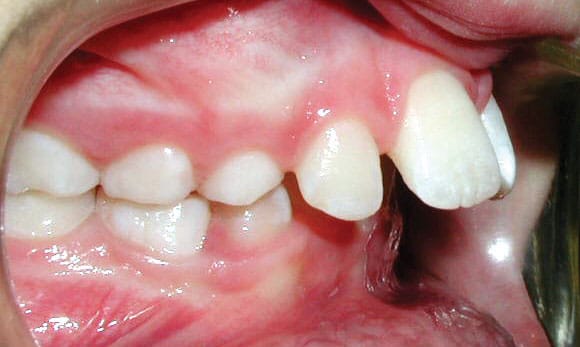
Upper Front Teeth Protrusion
When the upper teeth stick out too far, or the lower jaw doesn’t come forward enough, it can affect appearance, speech, and lip closure. Protrusion also increases the risk of dental injury. Early guidance or modern orthodontic appliances can help create a more balanced bite.
Overbite
An overbite occurs when the upper front teeth excessively overlap the lower teeth. In some cases, the lower teeth may touch the roof of the mouth, causing enamel wear or discomfort. Correcting an overbite improves chewing, protects the teeth, and enhances facial balance.
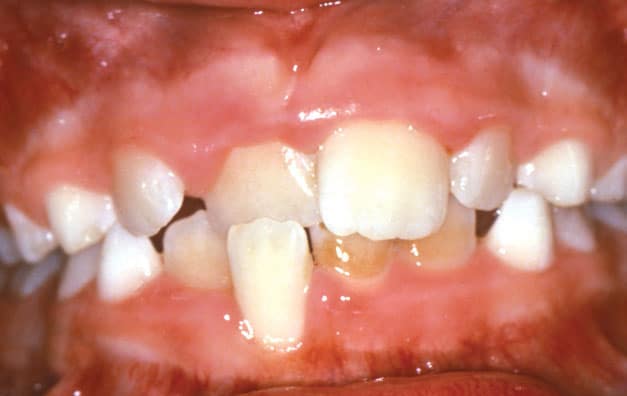
Crossbite
A crossbite happens when the upper teeth bite inside the lower teeth. This can cause the jaw to shift, uneven wear, or gum recession. Early correction helps support proper jaw development and prevents long-term bite issues.
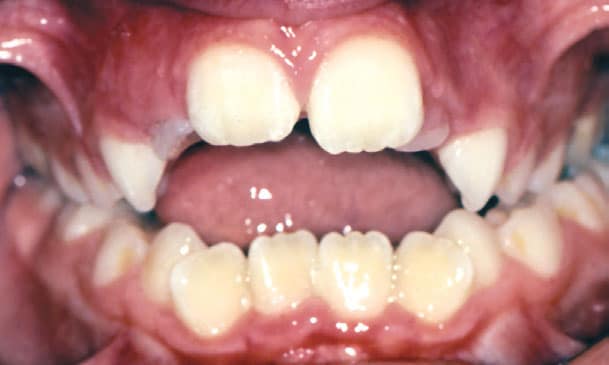
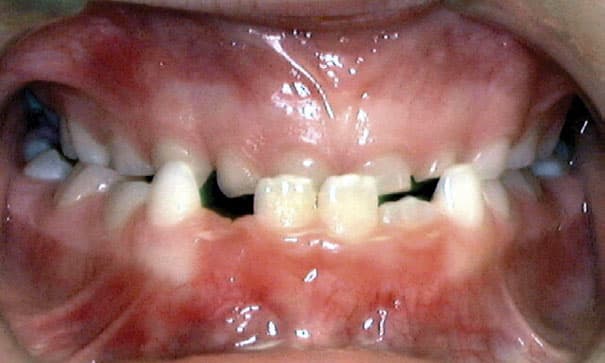
Openbite
With an openbite, the upper and lower front teeth don’t touch, making it difficult to bite into foods. It may also be linked to habits like tongue thrusting or thumb sucking. Treating an openbite improves function, clarity of speech, and bite stability.
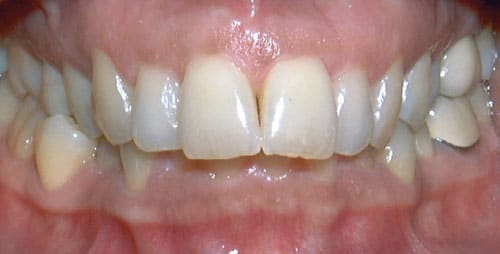
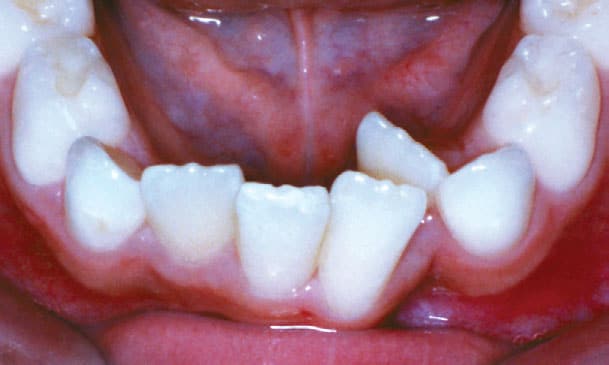
Crowding
Crowding occurs when teeth don’t have enough space to erupt correctly, leading to overlap or twisting. Crowded teeth are harder to clean and more prone to cavities. Expansion or guided orthodontic treatment often resolves crowding without the need for extractions.
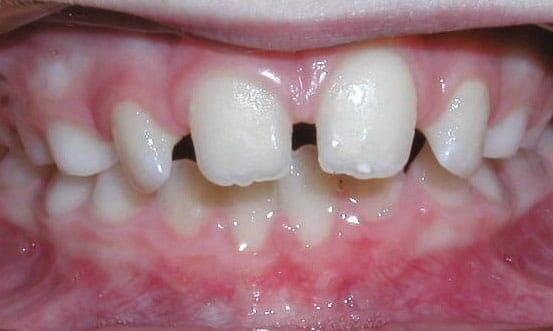
Spacing
Spacing refers to extra space between teeth, often caused by missing teeth or naturally small tooth size. While sometimes cosmetic, spacing may affect the bite or speech. Treatment helps create a more even, confident smile.
Underbite
An underbite occurs when the lower jaw sits forward, placing the lower teeth in front of the upper teeth. This can make chewing difficult and cause uneven wear. Early treatment is ideal, though teens and adults also benefit from modern corrective options.